Asset Classes Explained: Industrial, Office, Retail, Multifamily, and 1-4 Unit Residential
Which real estate type matches your investment goals, time, and capital?
It’s funny. The term “commercial” is my least favorite way to describe a particular individual property, yet it is the most accurate to describe the industry as a whole.
In my experience, “commercial” real estate is any property that is operated as an investment; where the business plan is to make money.
The home you live in is not commercial real estate.
The house you rent out for income is commercial real estate.
There are many types of commercial real estate known as “asset classes”.
Understanding how they differ is critical to becoming a successful real estate investor. In my last newsletter (5 Ways to Invest in Real Estate), I discussed the “how”. Now we are describing the “what” you can invest in.
I’ve invested in six of these over the past 20+ years and talked with investors who have focused on the others.
By the end of this newsletter, you’ll know which asset class aligns best with your goals, risk tolerance, and available time.
Let’s dig in.
The Major Asset Classes
Industrial
Office
Retail
Multifamily aka Apartments
1-4 Unit Residential: single-family home rentals, duplexes, triplexes, fourplexes.
Other: Medical Office, Shopping Malls, Biotech, Data Centers, Hotels, Self-Storage, Industrial Outdoor Storage (IOS)
Each of these has different characteristics in terms of:
Physical Characteristics: What they look like physically and how they function.
Tenants: Which tenants they attract and what those tenants are looking for.
Operational Complexity: The demands on owner to operate them.
Capital Needs: The ongoing capital they require to operate.
Lease Structure: Whether the tenant pays anything in addition to rent.
Investment Profile: Cash flow and investment characteristics.
Summary: key takeaways.
We are going to cover a lot of information here. See below for a list of the main asset classes with a “cheat sheet” of their characteristics added.
Industrial: Simple to operate, low capital needs, good cash flow.
Office: Complicated to operate, high capital needs, challenging cash flow.
Retail: Reasonable to operate, modest capital needs, good cash flow.
Multifamily: Intensive to operate, varied capital needs, good cash flow.
1-4 Unit Residential: Easier than apartments to operate, varied capital needs, good but lumpy cash flow due to the limited number of tenants.
The goal is to find the right fit for you as an investor.
Quick Note: I had to err on the side of oversimplifying to summarize all of this information. Those of you who have spent years focused on one asset class may find I missed tons of the nuances of that asset.
I would probably agree with you.
Think of this as the starter to see where you want to dig in.
Industrial

Physical Characteristics
Industrial buildings are generally single story warehouse buildings that have 5-50% of the interior of each individual suite built out as office. Buildings and suite sizes can range from 5,000 square feet (SF) to 500,000+ SF. Sometimes one tenant occupies the entire building. Sometimes it is broken up into smaller suites. The ceiling heights can range from 12’ to 40’. They normally have large warehouse doors for backing large trucks into to load and unload products.
Tenants
Tenants that lease industrial buildings are typically storing products, manufacturing, conducting e-commerce, or running a small business that requires storage of parts (ex. plumbing, HVAC).
Operational Complexity
Industrial buildings are relatively easy to operate, particularly the larger buildings. The larger the tenant (by SF), the more self-sufficient they tend to be. Most leases require the tenants to handle everything inside their suite (ex. light bulbs and HVAC).
Capital Needs
Industrial buildings don’t require much capital to operate. The tenant improvements (costs to fix up the suite for the next tenant) tend to be relatively low due to the low percentage of office. The most expensive thing to replace on an industrial building is a roof.
Lease Structure
Most industrial leases are 3-10 years in length and triple-net (NNN). NNN means that in addition to the tenant paying base rent, it also pays its share (defined by % of total SF) of the expenses to operate the building such as maintenance contracts, insurance, and property tax. We will get into NNN more in another newsletter.
Investment Profile
The combination of the duration of the leases, the NNN lease structure, and the low capital needs make industrial a good asset for cash flow and an attractive one for investors.
Summary
Simple to operate, low capital needs, good cash flow. I am a big fan of industrial.
Office
Physical Characteristics
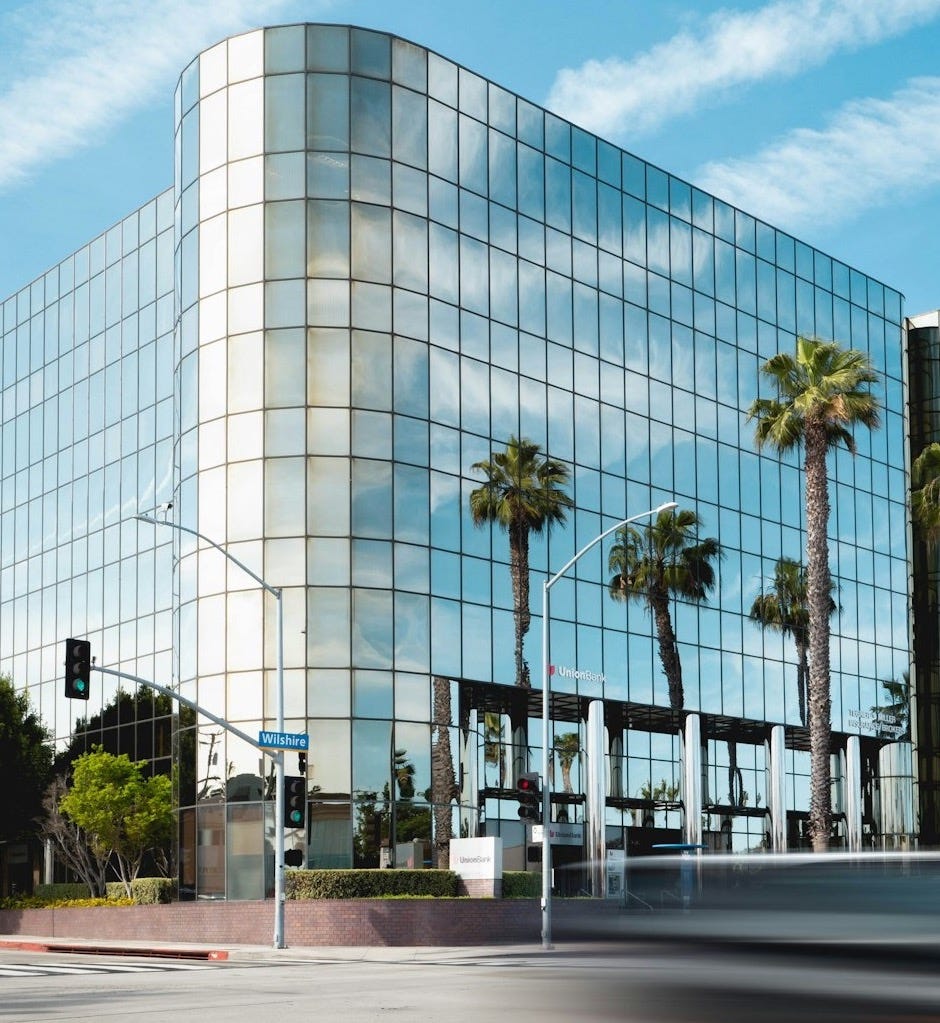
Office buildings are generally multi-story buildings with the interior built out for knowledge workers. You have probably been in one. They tend to be broken up into smaller suites ranging from 1,500 SF to 5,000 SF, although some suites can be much bigger.
Tenants
Tenants that lease office buildings are made up of knowledge workers who sit at desks on computers, meet in conference rooms, and congregate around a water cooler to chat. Think of the show “Suits”, the drama that takes place in the office of a law firm.
Operational Complexity
Office is demanding to operate. Not only do tenants expect the owner to change lightbulbs and fix the HVAC in their suite, but there are also major building systems to be maintained, repaired and replaced: elevators, glass exteriors, centralized HVAC systems, and other systems.
Capital Needs
Office buildings are capital pigs: they constantly need money. To lease up an office building for the first time, the owner needs to invest $100+ per square foot (psf) in tenant improvements (TIs) to do 5-10 year leases. At the end of these leases, the next tenant likely wants a different build out, requiring $25-50 psf in new TIs.
Then there are the building systems, which last for about 20 years if well maintained. Replacing an elevator or HVAC system can cost millions in an office high-rise.
Can you tell I am not really a fan of office? I was the asset manager on a suburban office portfolio for years and was constantly amazed by how much we had to spend to get a tenant in our buildings (even on renewals). Proceed with caution.
Lease Structure
This varies from market to market. Some are NNN like industrial buildings. Some are what’s known as a “base year” structure where the tenant only pays their share of increases in operating expenses. Again, don’t worry about this for now.
Investment Profile
I like to think of office as a trading asset. Once the tenants are in place and the rent roll is stable, it can be sold as a good value. But the high ongoing capital needs make it a challenging asset for cash flow.
Summary
Complicated to operate, high capital needs, challenging cash flow. I am unlikely to ever invest in office again.
Retail
Physical Characteristics
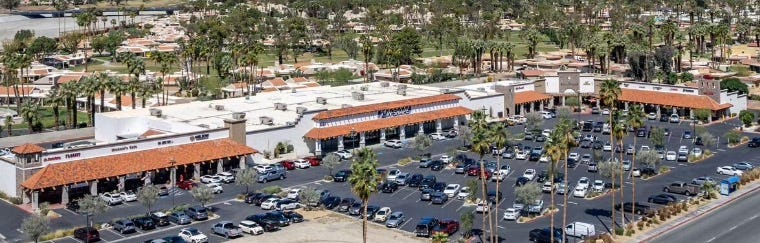
Ever been to a grocery store, restaurant, or a coffee shop? Then you have experienced retail. It could be a grocery anchored shopping center like the one in the picture above, or it could be an indoor mall. Suite sizes range from 1,000 SF to 50,000+ SF. It is where you go to buy goods and services.
Tenants
Tenants that lease retail buildings sell goods and services. Examples include: grocery and drug stores, fitness centers, restaurants, clothing stores and general retailers.
Operational Complexity
Retail can be demanding to operate, but for different reasons than office. It is similar to industrial in that most leases require the tenants to handle everything inside their suite (ex. light bulbs and HVAC).
The more challenging part comes with many of the tenants being smaller with limited credit. Owners are constantly managing through tenants struggling to pay rent. There is also an art to creating the right tenant mix that is synergistic and helps increase each tenant’s sales. The right anchor can make or break the whole retail center.
Capital Needs
If we think of a grocery anchored shopping center, capital needs are fairly reasonable. More than industrial, but less than office. Tenants generally need a rectangular box to outfit with their furniture, fixture, and equipment (FF&E). Capital requirements would be much more for a mall that has elevators, escalators, and even HVAC.
Lease Structure
Most are NNN, similar to industrial.
Investment Profile
Retail can be a good cash flowing asset. The performance is highly contingent on the anchor tenant(s). They are the main draw to bring in shoppers. If the anchor vacates, the smaller tenants will struggle.
Summary
Reasonable to operate, modest capital needs, good cash flow.
Multifamily aka Apartments
Physical Characteristics
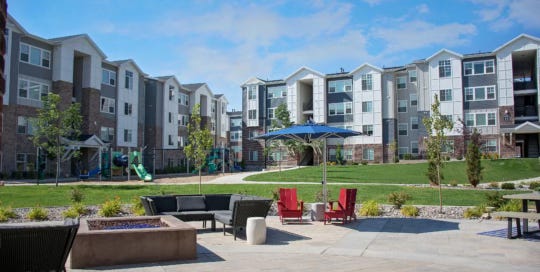
As you read this newsletter, you may be sitting in your apartment. They are where so many of us live. These are typically built out with a kitchen, bathroom, living room, and one or more bedrooms. They have shared walls and often include common area amenities such as pools, gyms, and dog parks. They are in suburban locations like the picture above, or can be built as high-rises in urban areas.
Tenants
You and me.
Operational Complexity
Multifamily is probably the most complicated asset to operate. Tenants live in them 24/7, not just during business hours. Leases are 6-12 months long, so tenants are constantly moving in and out. Kitchen fires and other events happen all the time.
Be kind to your apartment property manager. It is a very tough job.
Capital Needs
They can be minimal or extensive, depending on how the owner chooses to operate. The floor plans and interior build outs don’t change from tenant to tenant as they do in office. Owners may choose to paint and carpet or refresh a kitchen or bath, but they rarely reconfigure a floor plan.
However, the volume and coming and going of tenants beats up the common areas, which can require constant maintenance.
Lease Structure
To oversimplify, multifamily leases are “gross” in structure. Tenants pay the rent and none of the operating expenses. But as those of you who have lived in apartments know, there are often additional charges such as internet, trash, and utilities.
Investment Profile
The multi-tenant nature of multifamily can be magic for steady cash flow. Most owners of 100+ unit multifamily have a target occupancy (ex. 95%) and adjust the rent each day to hit that target.
Summary
Intensive to operate, varied capital needs, good cash flow. I am a big fan of apartments as an LP investor. I think it is an excellent option for cash flow.
1-4 Unit Residential: Single-family Home Rentals, Duplexes, Triplexes, Fourplexes
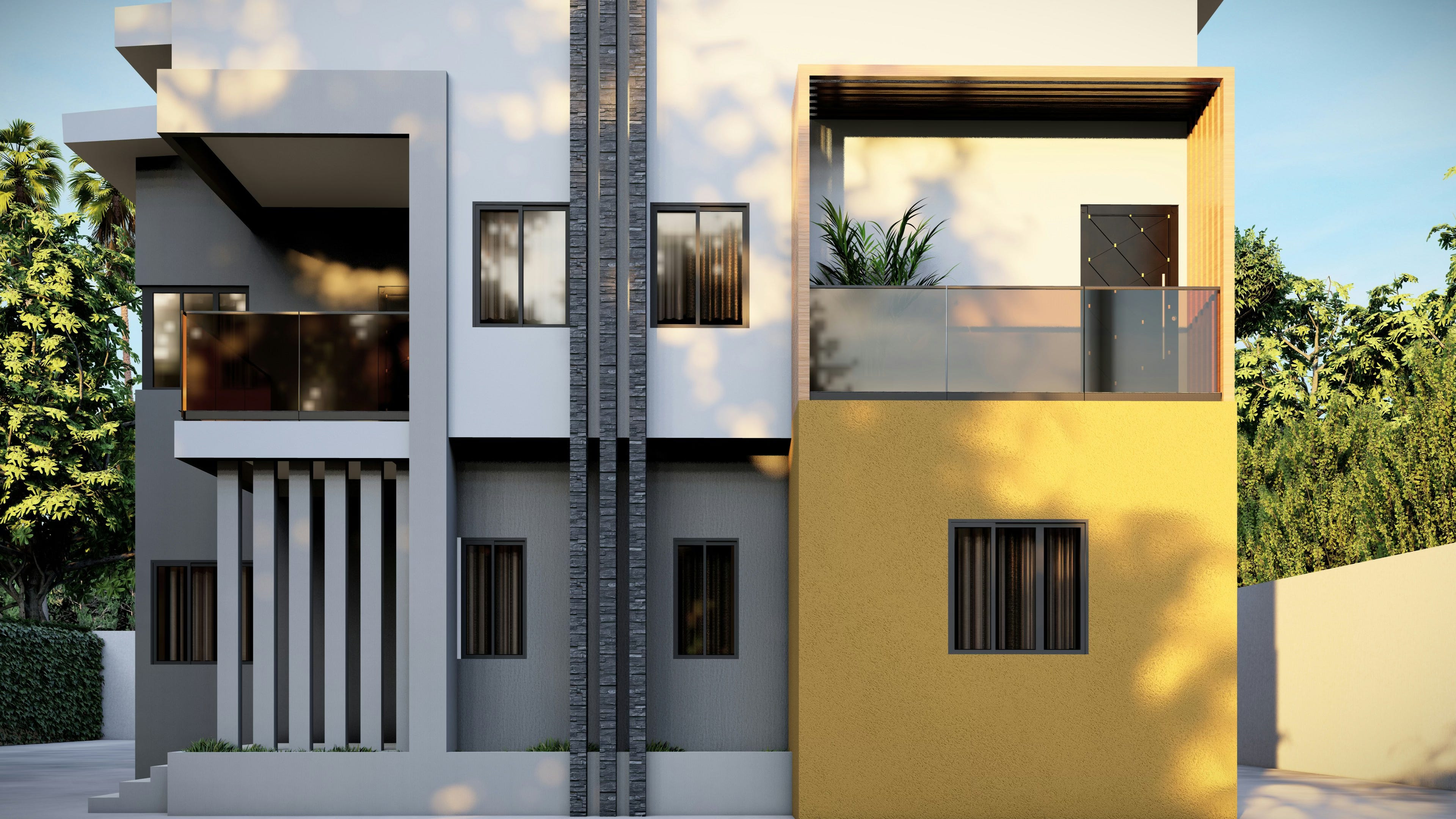
Photo by Ferdinand Asakome on Unsplash
Physical Characteristics
Duplexes, Triplexes, and Fourplexes are 2, 3, and 4 unit buildings similar to apartments without the common areas amenities. Single-family home rentals are houses that are rented out to a tenant by the homeowner.
Tenants
You and me.
Operational Complexity
Same as apartments, without the common area amenities.
Capital Needs
Same as apartments, without the common area amenities.
Lease Structure
Same as apartments.
Investment Profile
Same as apartments, without the ability to set a target occupancy because of the limited number of tenants.
Summary
Easier than apartments to operate, varied capital needs, good but lumpy cash flow due to the limited number of tenants.
This could be your on-ramp to real estate investing. Here’s why I break it out as its own asset class.
It is much more accessible to individual investors with limited funds. One can buy a single-family home to rent for less than $100,000 in some markets.
If a building is four units or less, lenders view it as a personal loan. They will evaluate your personal credit as opposed to calculating the cash flow on the property. This can be helpful if you are just starting out.
If you want to start investing in properties on your own in an active way (as opposed to as an LP), this will likely be the most realistic path for you.
Other: Medical Office, Shopping Malls, Biotech, Data Centers, Hotels, Self-Storage, Industrial Outdoor Storage (IOS)
As the newsletter is already fairly long, I will give a brief description of these “specialty” assets.
Medical Office: similar to office, but for medical professionals (ex. dentist). TIs are even higher.
Shopping Malls: complicated to operate, high capital needs, challenging cash flow.
Biotech: similar to office, but for the biotech industry. TIs are very high due to the lab build outs.
Data Centers: think of a warehouse full of computer servers. High power and cooling needs. Very expensive.
Hotels: imagine an apartment where the tenants only stay for 1-3 nights at a time and the owner provides cleaning and room service. This is a hotel. It is more like running an operating business than a real estate investment. I have two LP investments in hotels, but I recognize that operating one as a GP would require a tremendous amount of time and focus.
Self-Storage: very small, open industrial suites for storage leased 1-12 months at a time.
Industrial Outdoor Storage (IOS): land leased to tenants to store products.
Summary
Wow! That was a lot to cover.
Is your head spinning?
Don’t worry. There will be no tests.
All you need to do is pick the one or two that you want to explore:
Industrial: Simple to operate, low capital needs, good cash flow.
Office: Complicated to operate, high capital needs, challenging cash flow.
Retail: Reasonable to operate, modest capital needs, good cash flow.
Multifamily: Intensive to operate, varied capital needs, good cash flow.
1-4 Unit Residential: Easier than apartments to operate, varied capital needs, good but lumpy cash flow due to the limited number of tenants.
Intimidated by the operational intensity of any of these? No problem.
Invest in a REIT or as an LP.
If you are just getting started, I recommend you pick a niche that works for you. It would be a combination of:
Asset class.
Geography.
Investment method (REIT, LP, self, partnership, or GP as discussed last week).
Successful real investing requires focus.
Distraction is the enemy of progress.
Use the guide to narrow your focus.
Pick one asset class. Learn everything you can about it. Make your first investment and you will learn so much more.
Your needs will evolve over time. I started with a hotel, then focused on industrial, office and retail, and eventually made my way to multifamily.
Now most of my investments are in industrial and multifamily.
Success requires focus. Diversification can come later.
Email me at bateman@creprofessor.org to tell me which asset class resonates with you and why. I read every response.
Good luck!
Professor Bateman
Next week: I will explain the tax advantages of real estate. There are many.
Catch up on previous newsletters:
23 Lessons Learned from 23 Years of Investing in Real Estate
LAUNCHING: Real Estate Investing Explained - A Weekly Newsletter
Forward to a friend: Like what you read? Forward to a friend!
Was this email forwarded to you? Sign up for future newsletters here
What other topics would you like me to cover? Email me at bateman@creprofessor.org with the subject header “Newsletter Idea”.
About Me: I’m a real estate investor, educator, and executive with a passion for making complex concepts clear. Over 20+ years, I’ve personally invested in 50+ commercial real estate deals across industrial, multifamily, office, retail, and hotel properties. Professionally, I’ve managed $7+ billion in assets and been actively involved in $10+ billion in acquisitions and dispositions as COO of a national industrial company. I teach in the Master of Real Estate program at University of San Diego and lead seminars on personal real estate investing.
Disclaimer: The insights shared here are for educational purposes only and reflect my personal experience—not financial, legal, or tax advice. Real estate investing carries inherent risks, and every situation is unique. Always consult with your own qualified advisors before making investment decisions.
© 2026 Matthew Bateman. All rights reserved. You're welcome to forward this newsletter to friends interested in real estate investing. Please contact me at bateman@creprofessor.org for permission to republish or excerpt.